
Bedroom
The bedroom as a stage for textile precision
Bedroom
Written by
CEO / P8 Media GmbH

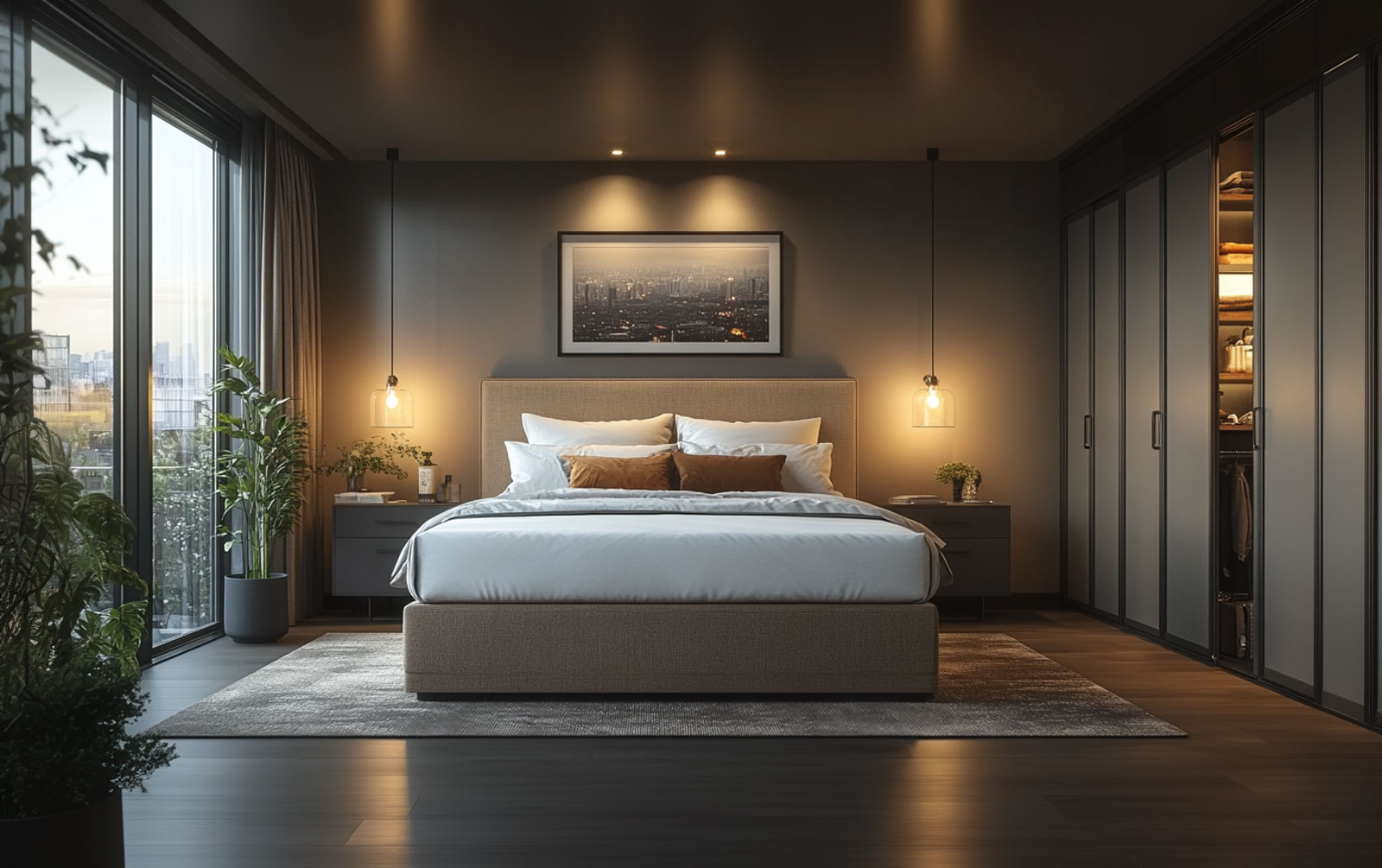
Space design in the digital era means much more than mastering new technologies. It is a combination of experience, sensitivity, and a deep understanding of materiality and atmosphere. Especially in the bedroom – a place of calm and balance – the staging of laid fabrics, gentle folds, and subtle structures requires a fine balance between technical precision and creative intuition.
The Digital Complexity of the Real
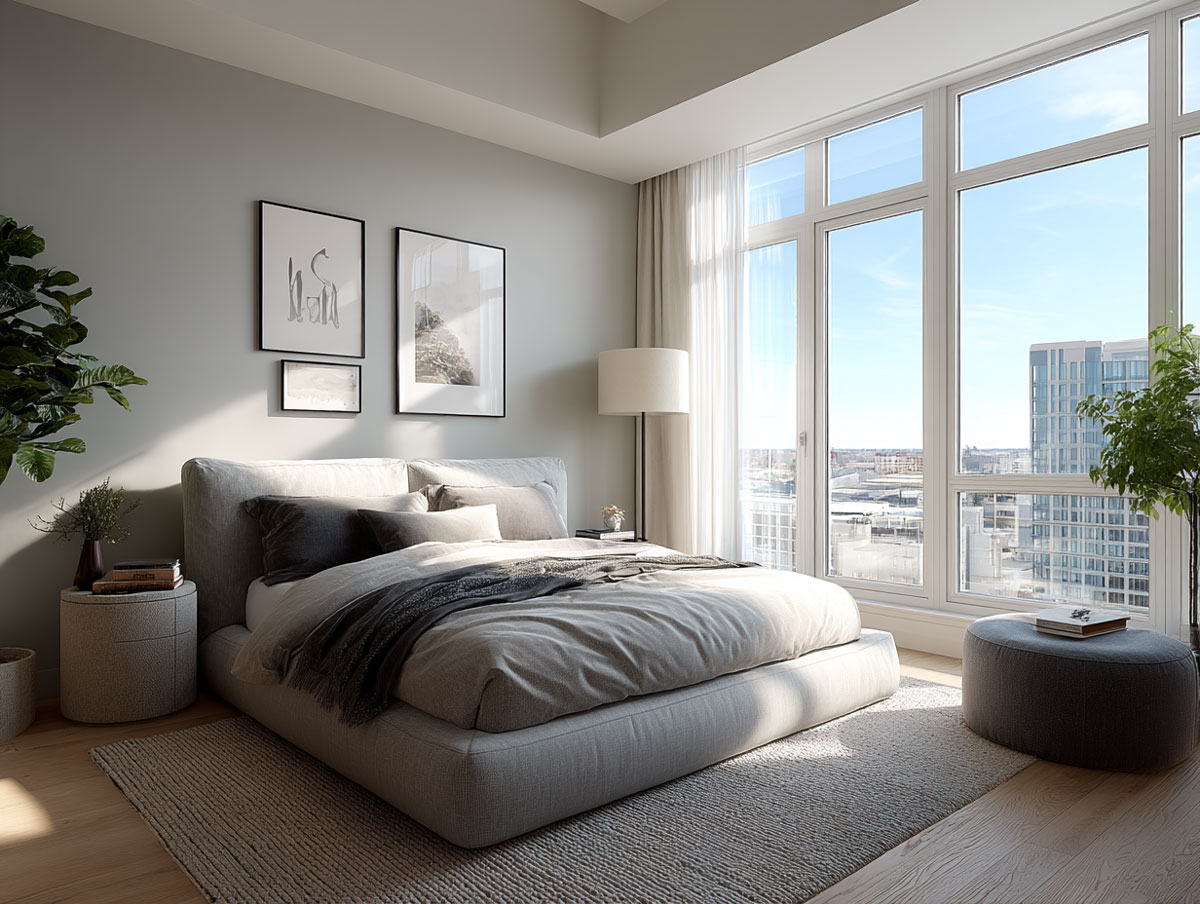
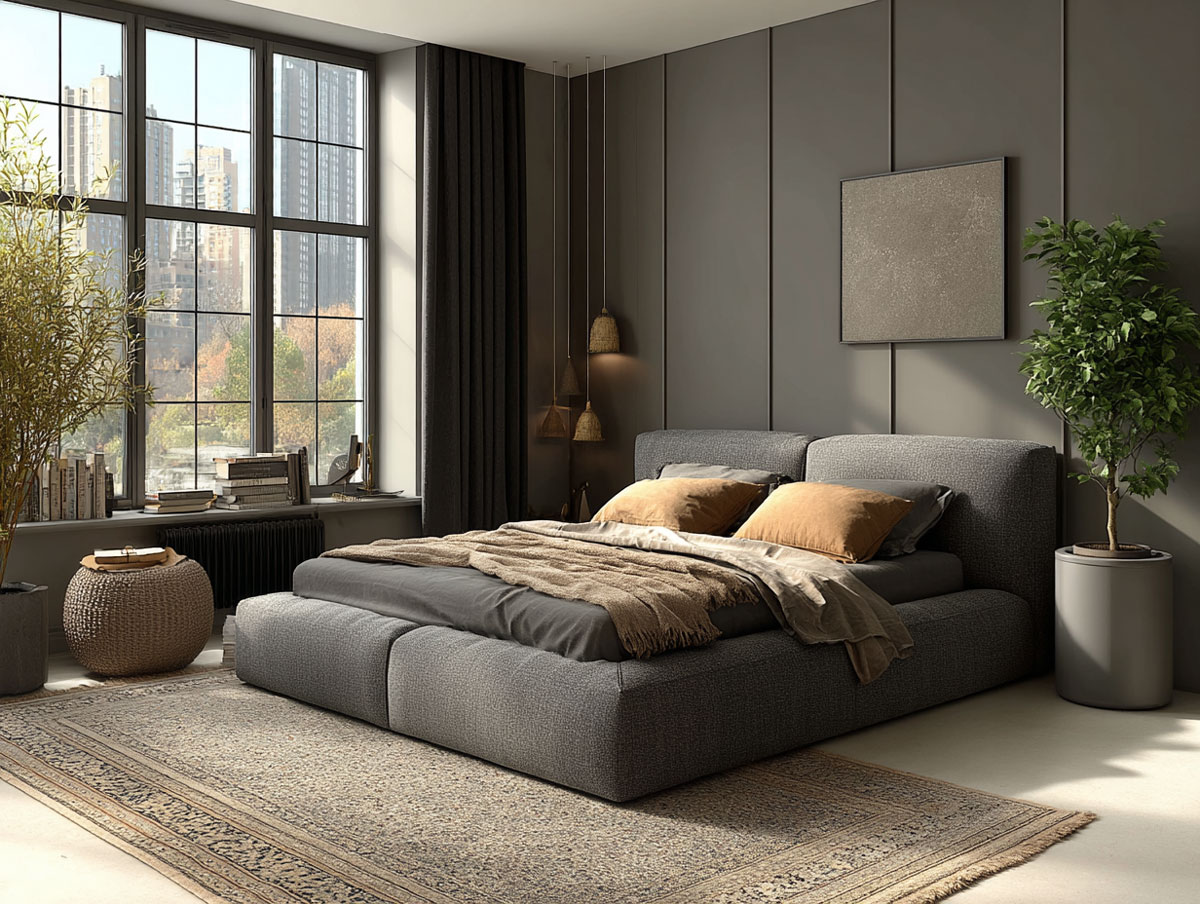
In the digitized representation of bedroom interiors, the precision of the latest CGI and AI technologies meets the subtle challenges of real materials. In particular, the depiction of laid textile products – from softly falling blankets to wrinkled bed linen to finely structured carpets – represents a complex interplay of light, shadow, drapery, and material reflection. Every little irregularity affects visual authenticity and demands high-detail material rendering.
Interaction of Fabric, Space, and Light
The challenge lies in not only visually reproducing the texture of the fabric credibly but also considering its interaction with the surroundings: light refraction through windows, subtle color shifts due to wall or furniture surfaces, and the dynamic adjustment to different perspectives. Traditional modeling approaches quickly reach their limits here.
Harmony does not arise from perfection but from the conscious use of irregularities – from the life that becomes palpable in a texture when it merges with its surroundings. Those who work with CGI and AI must be able to do more than control algorithms: they must understand interiors, feel spaces, and be able to read materials. Only when technology meets empathy does digital authenticity emerge – an image that not only looks real but also feels real.
Future-Oriented Technologies
The future of space visualization lies in the seamless combination of AI-supported prediction and realistic physical simulations. Artificial intelligence can recognize how materials like fabrics behave in their environment, detect irregularities early, and improve rendering in real-time. At the same time, modern graphics cards and simulation techniques ensure that movements and interactions appear physically correct. This creates not only a visually convincing bedroom but also a smart, flexible environment that can adapt easily to new design ideas and technical requirements.
More articles
Thursday, May 7, 2026
Written by
P8 Studio
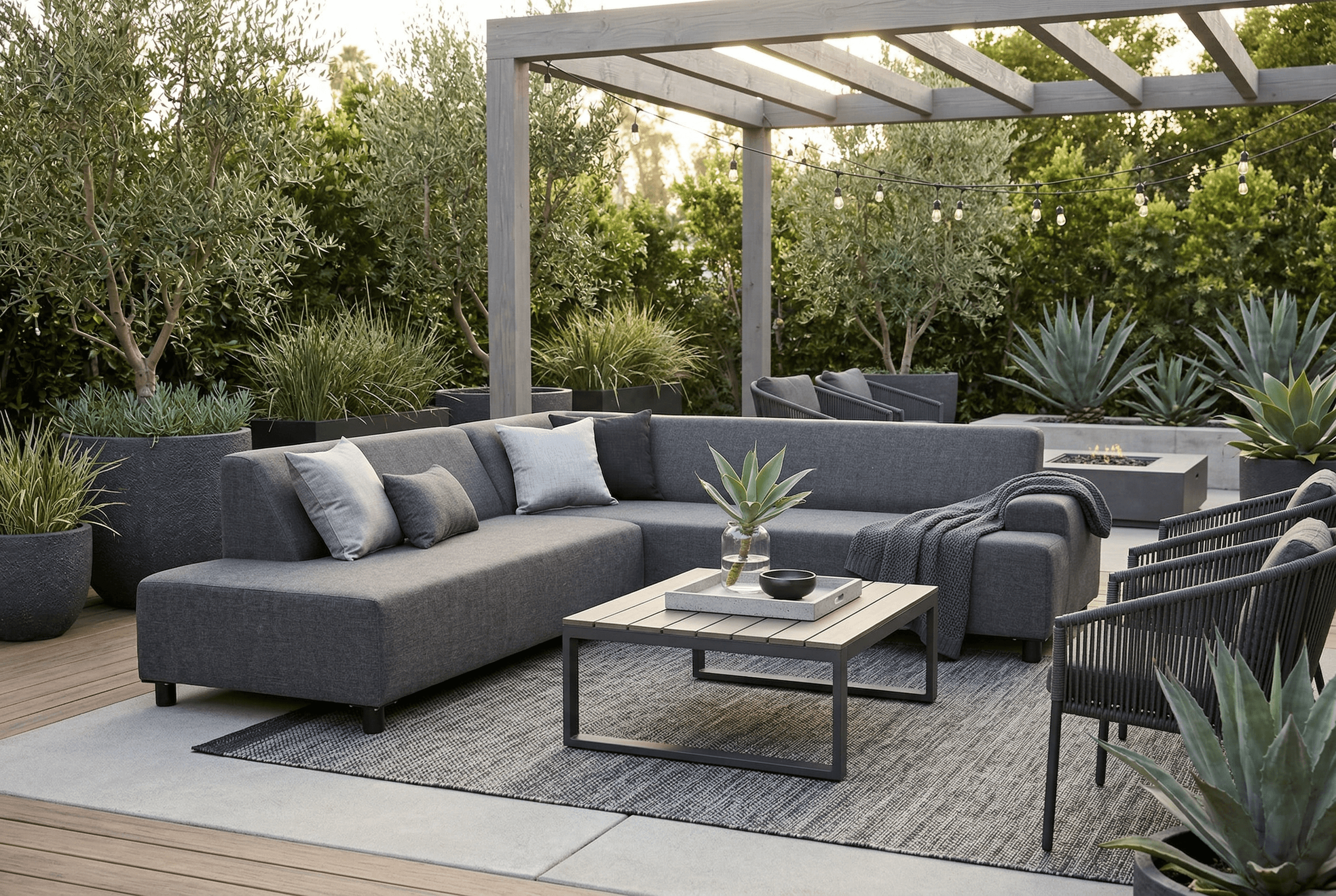
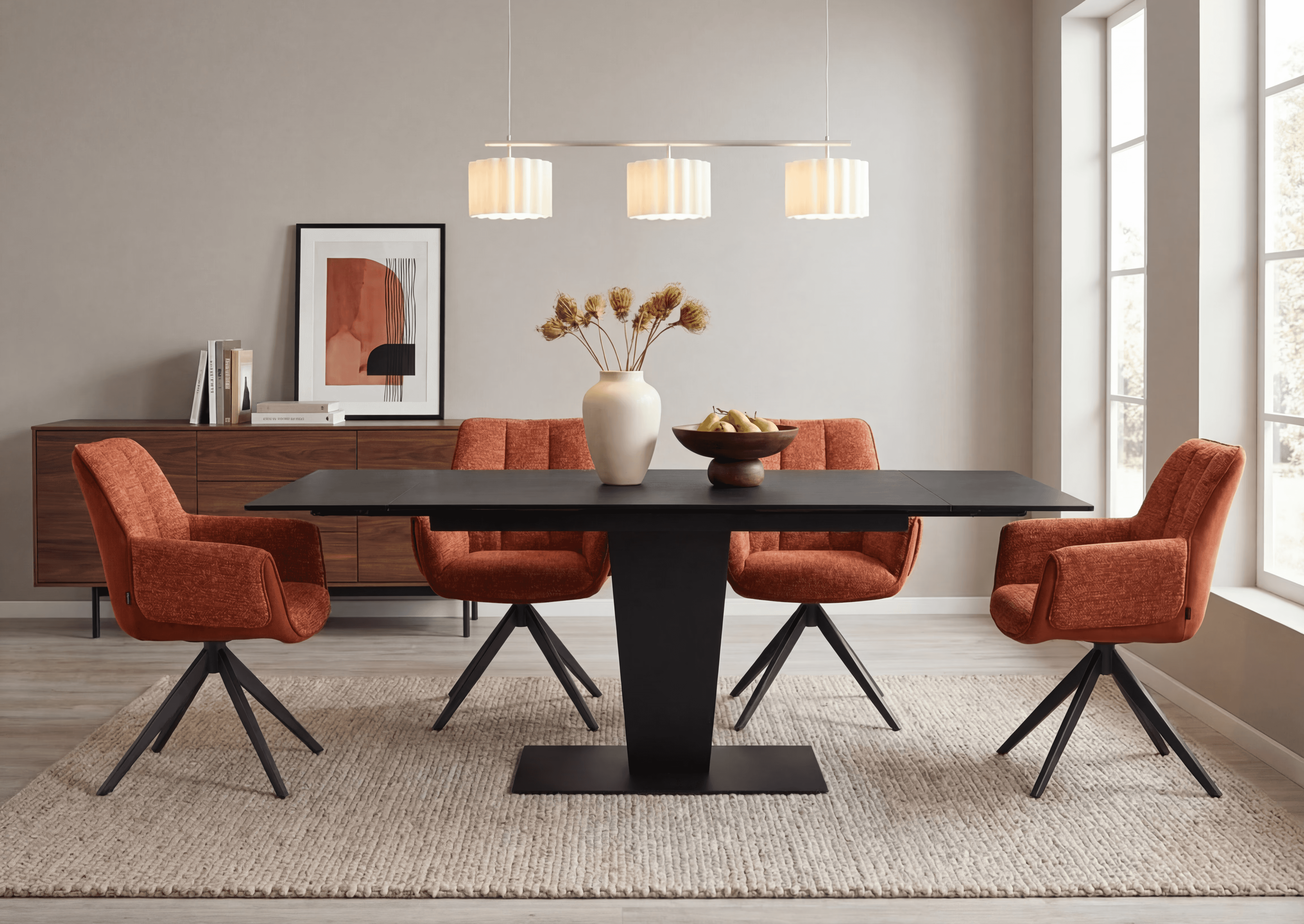
KI-Bildgenerierung für Gartenmöbel
Wie künstliche Intelligenz realistische Outdoor-Szenen für Möbel erzeugt – unabhängig von Wetter, Location und Produktionsaufwand.
In diesem Artikel zeigen wir, wie KI-gestützte Bildgenerierung die Visualisierung von Outdoor- und Gartenmöbeln revolutioniert. Auf Basis von Freistellern entstehen realistische Szenen mit Models und individuellen Locations – ohne logistischen Aufwand, unabhängig vom Wetter und deutlich kosteneffizienter als klassische Produktionen.
Friday, April 24, 2026
Written by
P8 Studio
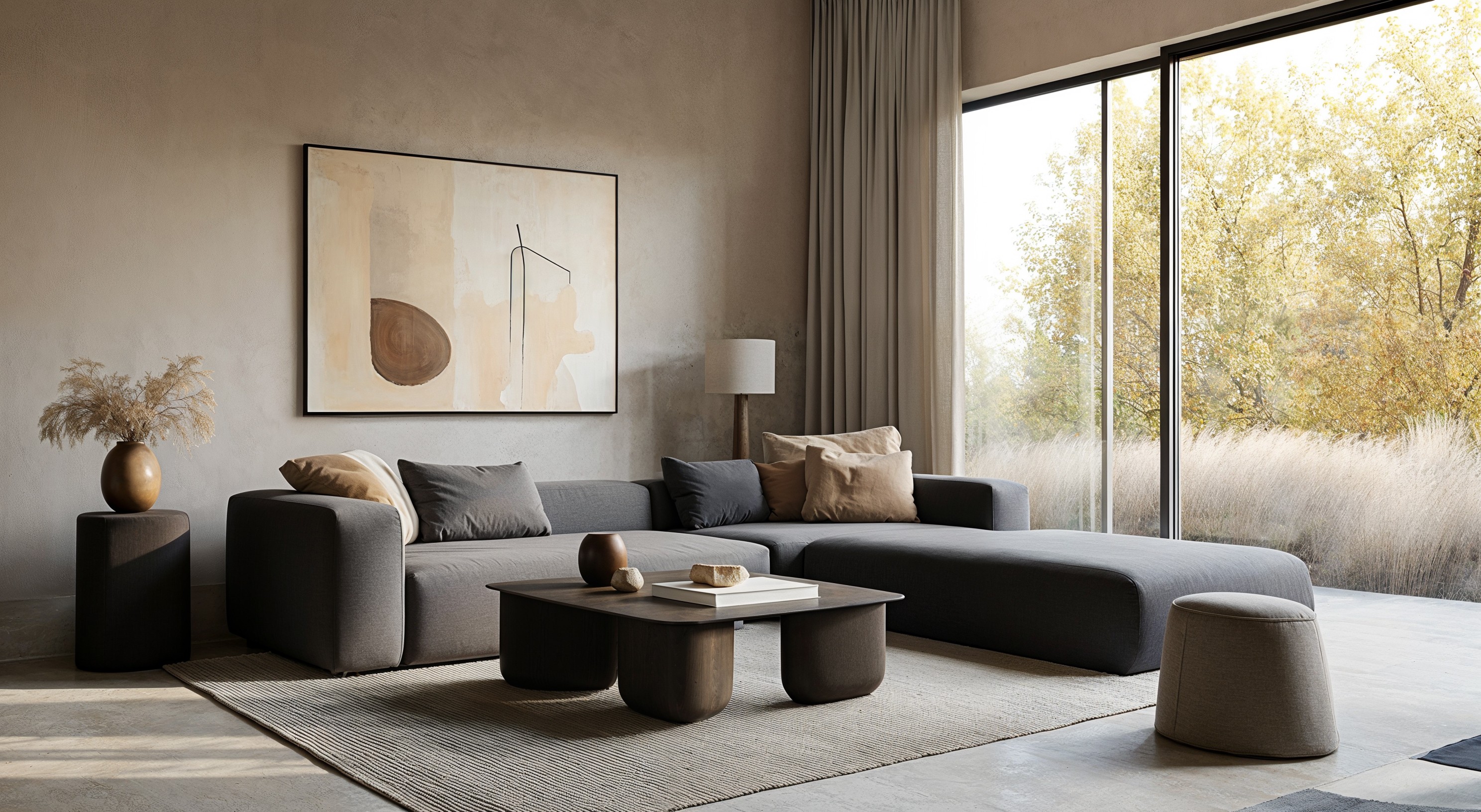
KI-Bildgenerierung für Möbel und Wohnräume
Wie künstliche Intelligenz aus Möbel-Freistellern realistische Interior-Szenen erzeugt – effizient, skalierbar und visuell auf höchstem Niveau.
In diesem Artikel zeigen wir, wie moderne KI-Bildgenerierung die Möbelvisualisierung grundlegend verändert. Auf Basis von Möbel-Freistellern entstehen realistische Wohnräume – effizient, skalierbar und ohne klassische Fotoshootings. Am Beispiel der Zusammenarbeit mit der RRR-Company wird deutlich, wie Unternehmen durch AI-gestützte Interior Visualisierung hochwertige Bildwelten schneller und kosteneffizienter produzieren können.
Thursday, March 12, 2026
Written by
P8 Media GmbH
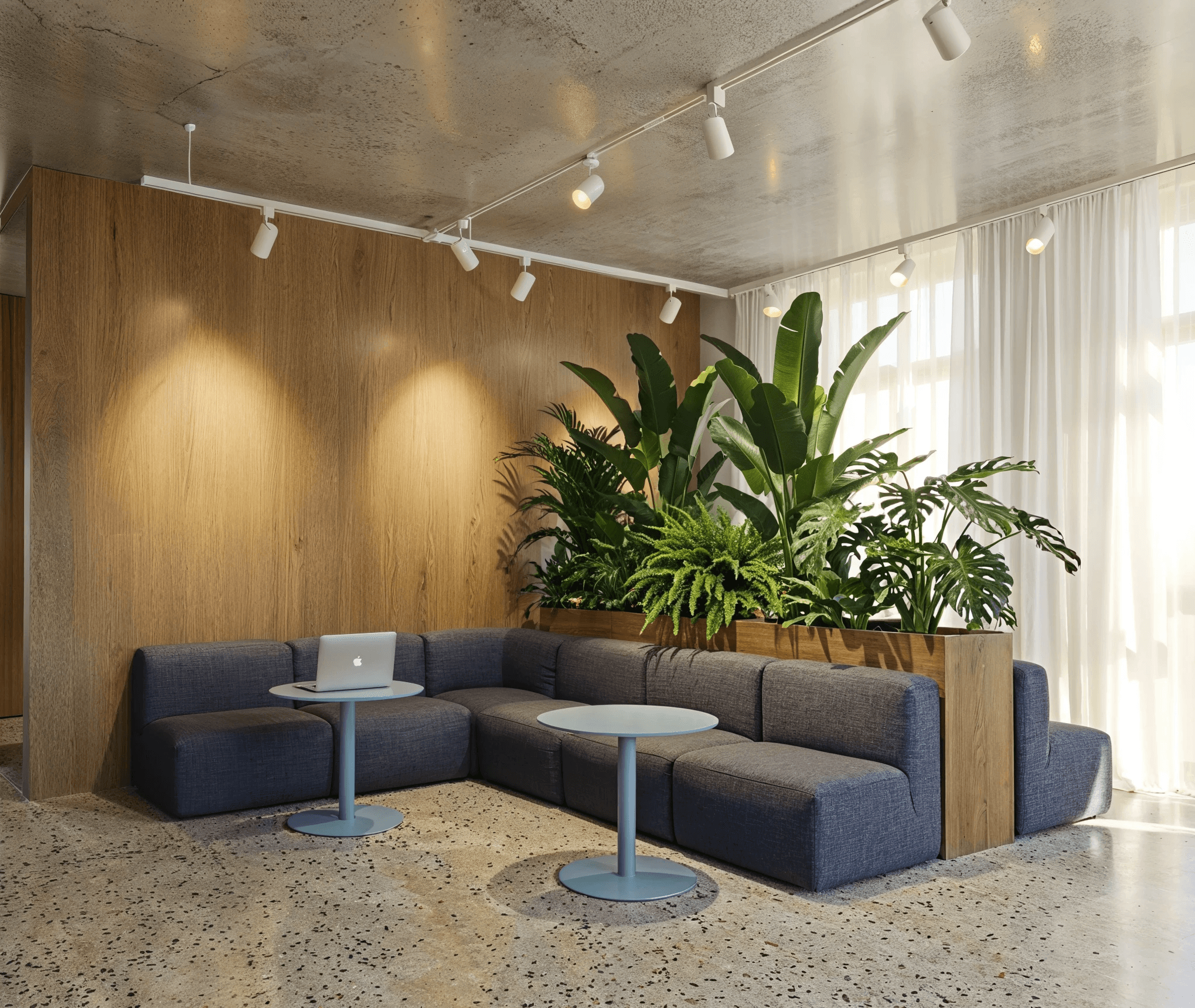
Veränderung durch Künstliche Intelligenz
Wie KI die 3D-Innenraumvisualisierung im modernen Design transformiert
In diesem Artikel erfahren Sie, wie künstliche Intelligenz (KI) die 3D-Innenraumvisualisierung grundlegend verändert. Von schnelleren Produktionszeiten über geringere Kosten bis hin zu nachhaltigen Designprozessen – KI ermöglicht realistische Visualisierungen ohne die Herausforderungen traditioneller Innenraumfotografie. Entdecken Sie, wie moderne Studios wie P8 Studio innovative Technologien nutzen, um Designideen effizienter und präziser zu visualisieren.
Thursday, March 12, 2026
Written by
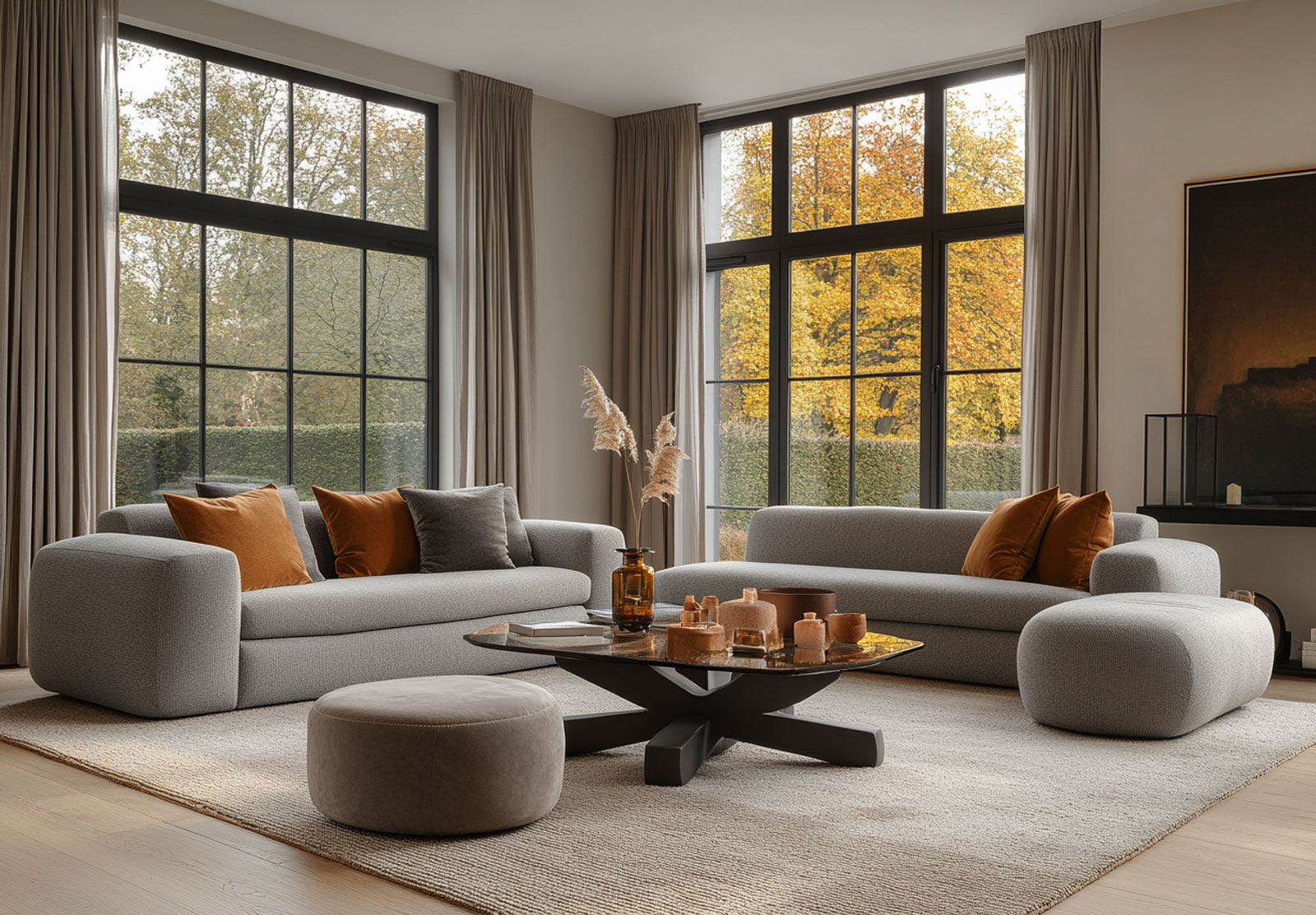
3D-Visualisierung verkauft Immobilien schneller
Wie 3D-Visualisierungsdienste Architekten und Immobilienentwicklern helfen, Projekte schneller zu verkaufen
Der Artikel beschreibt, wie 3D-Visualisierungsdienste Architekten und Immobilienentwicklern helfen, Projekte schneller, kosteneffizienter und nachhaltiger zu verkaufen. Traditionelle Immobilienfotografie ist teuer, zeitaufwendig und logistischer Aufwand hoch. Durch den Einsatz von CGI und künstlicher Intelligenz (KI) können realistische 3D-Visualisierungen in kurzer Zeit erstellt werden, die Flexibilität bei Designänderungen bieten und den Verkaufsprozess beschleunigen. Digitale Visualisierungen reduzieren Material- und Transportkosten, schonen die Umwelt und ermöglichen potenziellen Käufern eine emotionale und detaillierte Vorstellung des Projekts, noch bevor es gebaut wird. P8 Studio aus Hamburg kombiniert KI und 3D-Technologie, um Architekten und Immobilienentwicklern innovative Lösungen für effiziente Projektpräsentationen zu bieten.
Wednesday, February 26, 2025
Written by
Björn Paulsen
Living room
Living virtually – see, feel, experience rooms
CGI and AI are increasingly merging in the fields of art and photography, opening one of the most exciting chapters of visual culture. We are using new technological possibilities to create realities beyond the ordinary: images that exist between reality, simulation, and imagination. This development is changing not only our aesthetic perception but also our understanding of creativity itself.
Bedroom
The bedroom as a stage for textile precision
Bedroom
Written by
CEO / P8 Media GmbH
Space design in the digital era means much more than mastering new technologies. It is a combination of experience, sensitivity, and a deep understanding of materiality and atmosphere. Especially in the bedroom – a place of calm and balance – the staging of laid fabrics, gentle folds, and subtle structures requires a fine balance between technical precision and creative intuition.
The Digital Complexity of the Real
In the digitized representation of bedroom interiors, the precision of the latest CGI and AI technologies meets the subtle challenges of real materials. In particular, the depiction of laid textile products – from softly falling blankets to wrinkled bed linen to finely structured carpets – represents a complex interplay of light, shadow, drapery, and material reflection. Every little irregularity affects visual authenticity and demands high-detail material rendering.
Interaction of Fabric, Space, and Light
The challenge lies in not only visually reproducing the texture of the fabric credibly but also considering its interaction with the surroundings: light refraction through windows, subtle color shifts due to wall or furniture surfaces, and the dynamic adjustment to different perspectives. Traditional modeling approaches quickly reach their limits here.
Harmony does not arise from perfection but from the conscious use of irregularities – from the life that becomes palpable in a texture when it merges with its surroundings. Those who work with CGI and AI must be able to do more than control algorithms: they must understand interiors, feel spaces, and be able to read materials. Only when technology meets empathy does digital authenticity emerge – an image that not only looks real but also feels real.
Future-Oriented Technologies
The future of space visualization lies in the seamless combination of AI-supported prediction and realistic physical simulations. Artificial intelligence can recognize how materials like fabrics behave in their environment, detect irregularities early, and improve rendering in real-time. At the same time, modern graphics cards and simulation techniques ensure that movements and interactions appear physically correct. This creates not only a visually convincing bedroom but also a smart, flexible environment that can adapt easily to new design ideas and technical requirements.
More articles
KI-Bildgenerierung für Gartenmöbel
Wie künstliche Intelligenz realistische Outdoor-Szenen für Möbel erzeugt – unabhängig von Wetter, Location und Produktionsaufwand.
KI-Bildgenerierung für Möbel und Wohnräume
Wie künstliche Intelligenz aus Möbel-Freistellern realistische Interior-Szenen erzeugt – effizient, skalierbar und visuell auf höchstem Niveau.
Veränderung durch Künstliche Intelligenz
Wie KI die 3D-Innenraumvisualisierung im modernen Design transformiert
3D-Visualisierung verkauft Immobilien schneller
Wie 3D-Visualisierungsdienste Architekten und Immobilienentwicklern helfen, Projekte schneller zu verkaufen
Living room
Living virtually – see, feel, experience rooms
Bedroom
The bedroom as a stage for textile precision
Bedroom
Written by
CEO / P8 Media GmbH
Space design in the digital era means much more than mastering new technologies. It is a combination of experience, sensitivity, and a deep understanding of materiality and atmosphere. Especially in the bedroom – a place of calm and balance – the staging of laid fabrics, gentle folds, and subtle structures requires a fine balance between technical precision and creative intuition.
The Digital Complexity of the Real
In the digitized representation of bedroom interiors, the precision of the latest CGI and AI technologies meets the subtle challenges of real materials. In particular, the depiction of laid textile products – from softly falling blankets to wrinkled bed linen to finely structured carpets – represents a complex interplay of light, shadow, drapery, and material reflection. Every little irregularity affects visual authenticity and demands high-detail material rendering.
Interaction of Fabric, Space, and Light
The challenge lies in not only visually reproducing the texture of the fabric credibly but also considering its interaction with the surroundings: light refraction through windows, subtle color shifts due to wall or furniture surfaces, and the dynamic adjustment to different perspectives. Traditional modeling approaches quickly reach their limits here.
Harmony does not arise from perfection but from the conscious use of irregularities – from the life that becomes palpable in a texture when it merges with its surroundings. Those who work with CGI and AI must be able to do more than control algorithms: they must understand interiors, feel spaces, and be able to read materials. Only when technology meets empathy does digital authenticity emerge – an image that not only looks real but also feels real.
Future-Oriented Technologies
The future of space visualization lies in the seamless combination of AI-supported prediction and realistic physical simulations. Artificial intelligence can recognize how materials like fabrics behave in their environment, detect irregularities early, and improve rendering in real-time. At the same time, modern graphics cards and simulation techniques ensure that movements and interactions appear physically correct. This creates not only a visually convincing bedroom but also a smart, flexible environment that can adapt easily to new design ideas and technical requirements.
More articles
KI-Bildgenerierung für Gartenmöbel
Wie künstliche Intelligenz realistische Outdoor-Szenen für Möbel erzeugt – unabhängig von Wetter, Location und Produktionsaufwand.
KI-Bildgenerierung für Möbel und Wohnräume
Wie künstliche Intelligenz aus Möbel-Freistellern realistische Interior-Szenen erzeugt – effizient, skalierbar und visuell auf höchstem Niveau.
Veränderung durch Künstliche Intelligenz
Wie KI die 3D-Innenraumvisualisierung im modernen Design transformiert
3D-Visualisierung verkauft Immobilien schneller
Wie 3D-Visualisierungsdienste Architekten und Immobilienentwicklern helfen, Projekte schneller zu verkaufen
Living room
Living virtually – see, feel, experience rooms
We stage your products for the right target audience.
Start your project today – with personalized expert consulting.

We stage your products for the right target audience.
Start your project today – with personalized expert consulting.
We stage your products for the right target audience.
Start your project today – with personalized expert consulting.