
Living room
Living virtually – see, feel, experience rooms
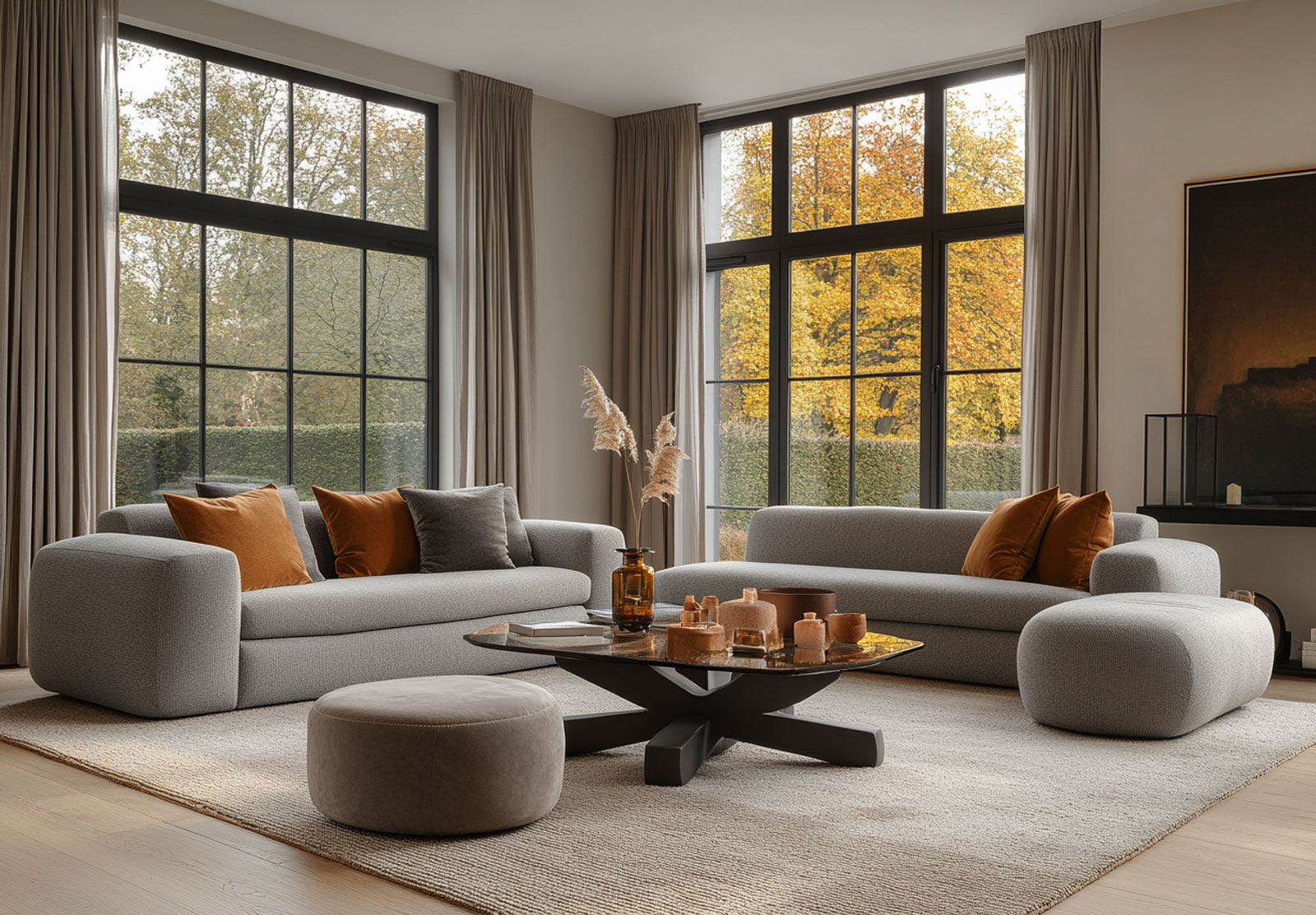
Living room
Written by
CEO / P8 Media GmbH

CGI and AI are increasingly merging in the fields of art and photography, opening one of the most exciting chapters of visual culture. We are using new technological possibilities to create realities beyond the ordinary: images that exist between reality, simulation, and imagination. This development is changing not only our aesthetic perception but also our understanding of creativity itself.
Looking into the Future
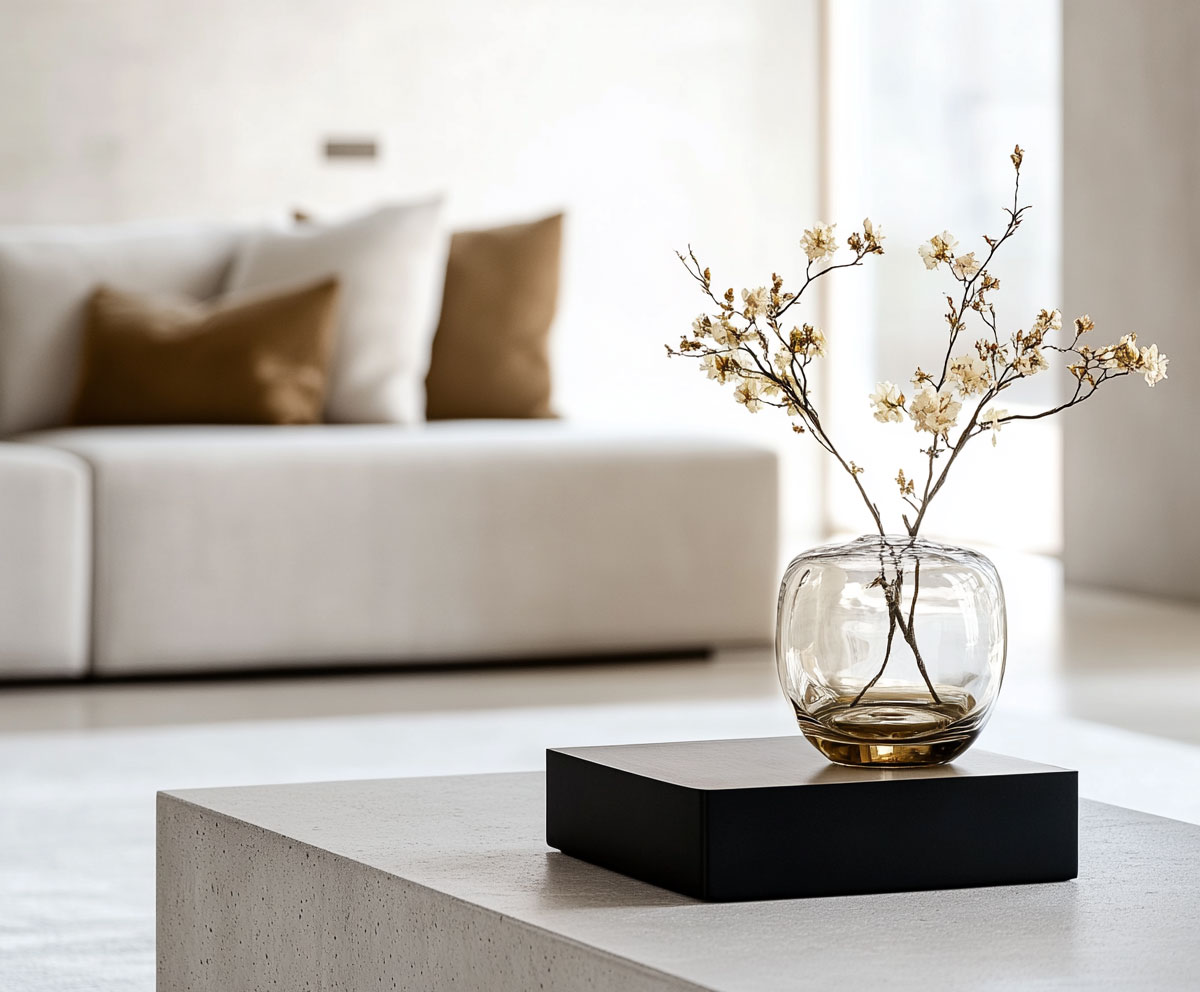
In the coming years, AI-supported CGI tools will operate in real-time – virtual spaces will emerge as light, materials, and composition dynamically adapt, and AI will seamlessly merge style and expression.
The boundaries between photo, render, and AI-generated images are dissolving. The focus is no longer on the technique, but on the idea: it is not the How, but the What that an image conveys that will matter.
Ethical Questions & Authenticity
With the merging of reality and simulation, the debate around authenticity grows.
What is still "photography" when no light touches the lens?
How do we label AI-generated art without diminishing its artistic quality?
These questions are increasingly becoming part of the discussion around aesthetics, truth, and perception – themes that have always accompanied art.
CGI as a Stage for AI Aesthetics
Textures are generated and adjusted automatically,
Lighting scenarios can be trained on style references
Faces, bodies, or objects can be synthetically modeled and still appear emotionally charged.
In photography, this leads to a new visual vocabulary – between hyperrealism, digital surrealism, and documentary deception.
AI as a Creative Partner, Not a Replacement
The crucial change lies in seeing AI less as a replacement for creativity and more as a tool that opens new avenues.
It can learn styles, understand moods, and make suggestions – yet the artistic decision, the "Why" of an image, remains human.
More articles
Thursday, May 7, 2026
Written by
P8 Studio
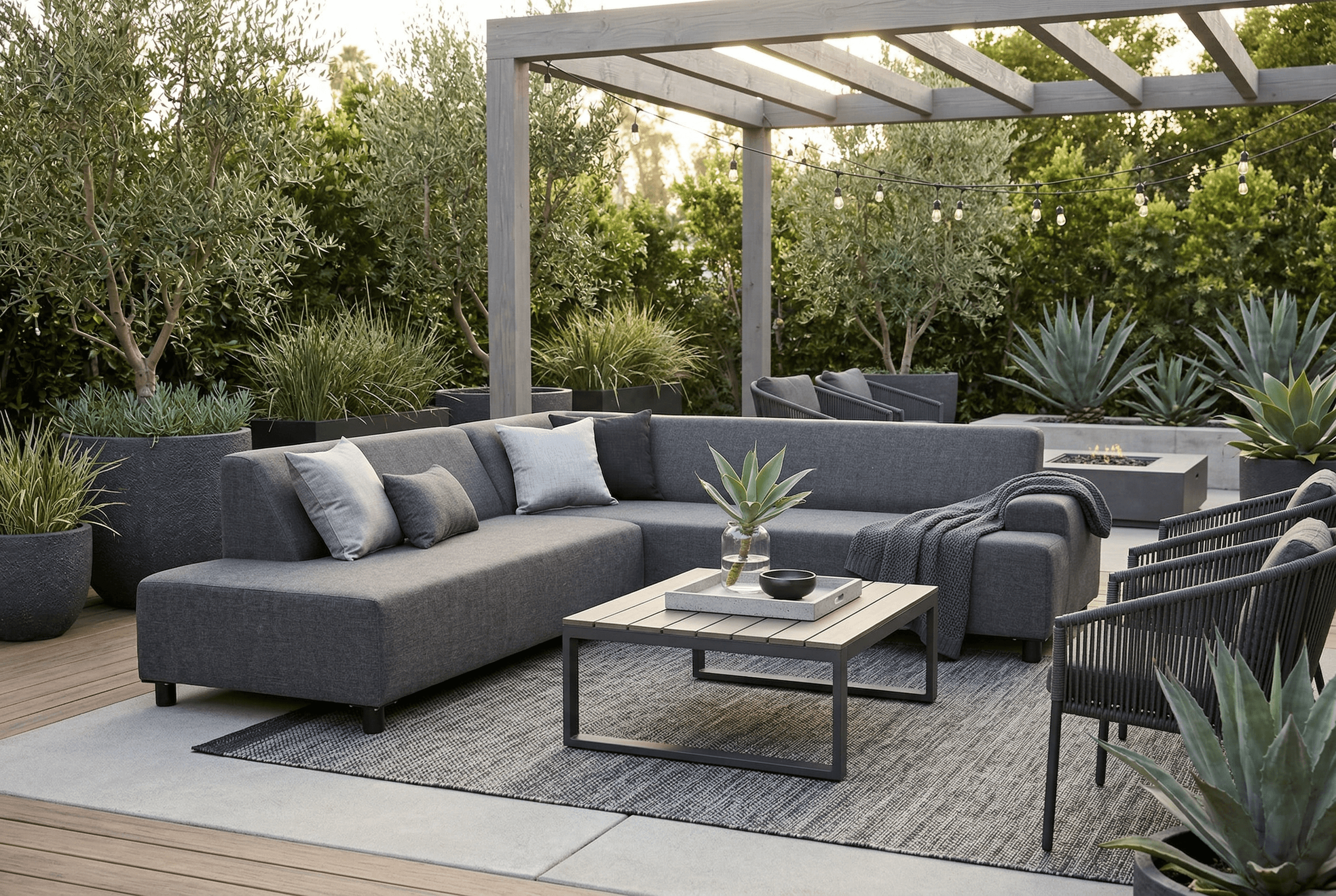
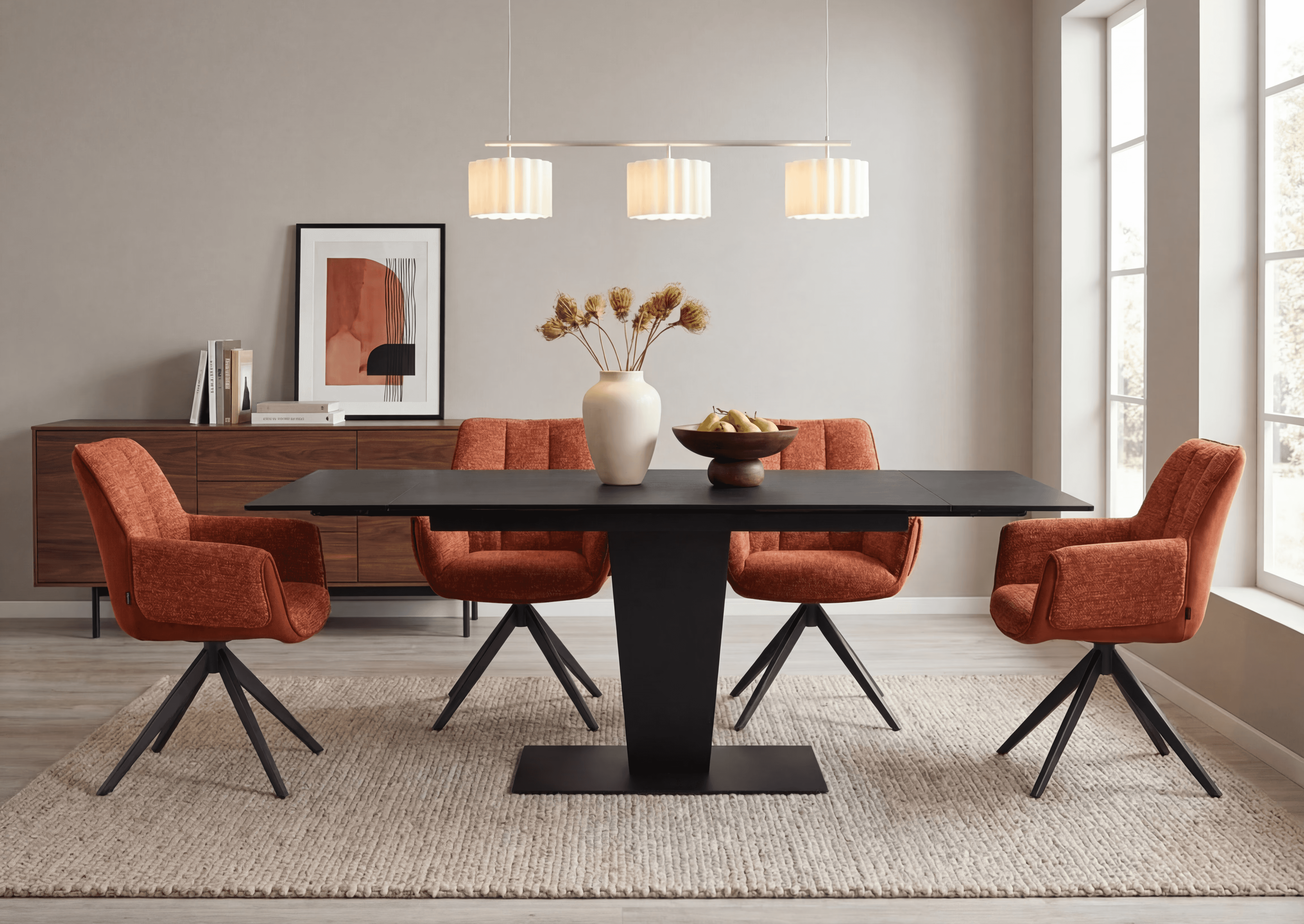
KI-Bildgenerierung für Gartenmöbel
Wie künstliche Intelligenz realistische Outdoor-Szenen für Möbel erzeugt – unabhängig von Wetter, Location und Produktionsaufwand.
In diesem Artikel zeigen wir, wie KI-gestützte Bildgenerierung die Visualisierung von Outdoor- und Gartenmöbeln revolutioniert. Auf Basis von Freistellern entstehen realistische Szenen mit Models und individuellen Locations – ohne logistischen Aufwand, unabhängig vom Wetter und deutlich kosteneffizienter als klassische Produktionen.
Friday, April 24, 2026
Written by
P8 Studio
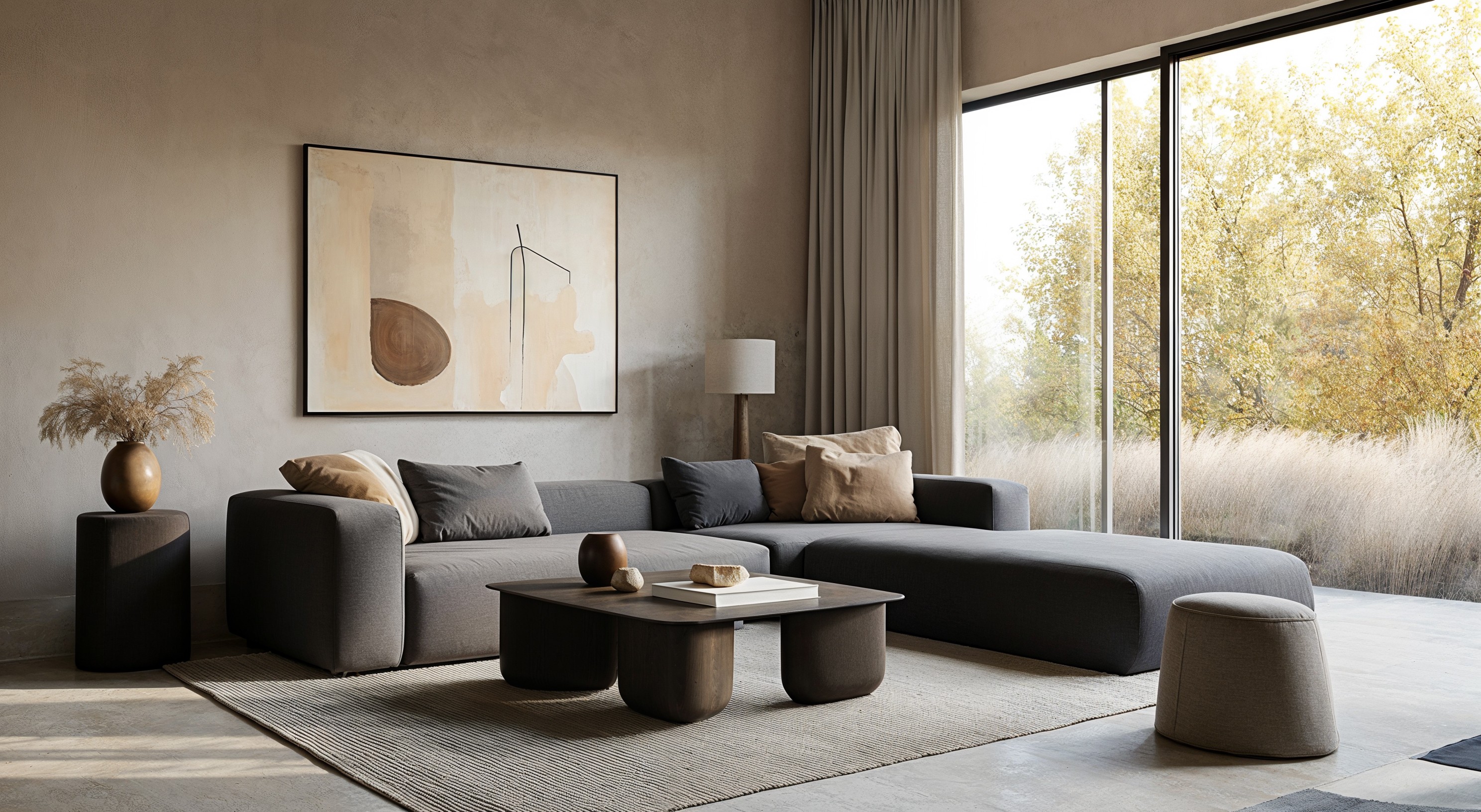
KI-Bildgenerierung für Möbel und Wohnräume
Wie künstliche Intelligenz aus Möbel-Freistellern realistische Interior-Szenen erzeugt – effizient, skalierbar und visuell auf höchstem Niveau.
In diesem Artikel zeigen wir, wie moderne KI-Bildgenerierung die Möbelvisualisierung grundlegend verändert. Auf Basis von Möbel-Freistellern entstehen realistische Wohnräume – effizient, skalierbar und ohne klassische Fotoshootings. Am Beispiel der Zusammenarbeit mit der RRR-Company wird deutlich, wie Unternehmen durch AI-gestützte Interior Visualisierung hochwertige Bildwelten schneller und kosteneffizienter produzieren können.
Thursday, March 12, 2026
Written by
P8 Media GmbH
Veränderung durch Künstliche Intelligenz
Wie KI die 3D-Innenraumvisualisierung im modernen Design transformiert
In diesem Artikel erfahren Sie, wie künstliche Intelligenz (KI) die 3D-Innenraumvisualisierung grundlegend verändert. Von schnelleren Produktionszeiten über geringere Kosten bis hin zu nachhaltigen Designprozessen – KI ermöglicht realistische Visualisierungen ohne die Herausforderungen traditioneller Innenraumfotografie. Entdecken Sie, wie moderne Studios wie P8 Studio innovative Technologien nutzen, um Designideen effizienter und präziser zu visualisieren.

Thursday, March 12, 2026
Written by
3D-Visualisierung verkauft Immobilien schneller
Wie 3D-Visualisierungsdienste Architekten und Immobilienentwicklern helfen, Projekte schneller zu verkaufen
Der Artikel beschreibt, wie 3D-Visualisierungsdienste Architekten und Immobilienentwicklern helfen, Projekte schneller, kosteneffizienter und nachhaltiger zu verkaufen. Traditionelle Immobilienfotografie ist teuer, zeitaufwendig und logistischer Aufwand hoch. Durch den Einsatz von CGI und künstlicher Intelligenz (KI) können realistische 3D-Visualisierungen in kurzer Zeit erstellt werden, die Flexibilität bei Designänderungen bieten und den Verkaufsprozess beschleunigen. Digitale Visualisierungen reduzieren Material- und Transportkosten, schonen die Umwelt und ermöglichen potenziellen Käufern eine emotionale und detaillierte Vorstellung des Projekts, noch bevor es gebaut wird. P8 Studio aus Hamburg kombiniert KI und 3D-Technologie, um Architekten und Immobilienentwicklern innovative Lösungen für effiziente Projektpräsentationen zu bieten.
Tuesday, February 4, 2025
Written by
Björn Paulsen
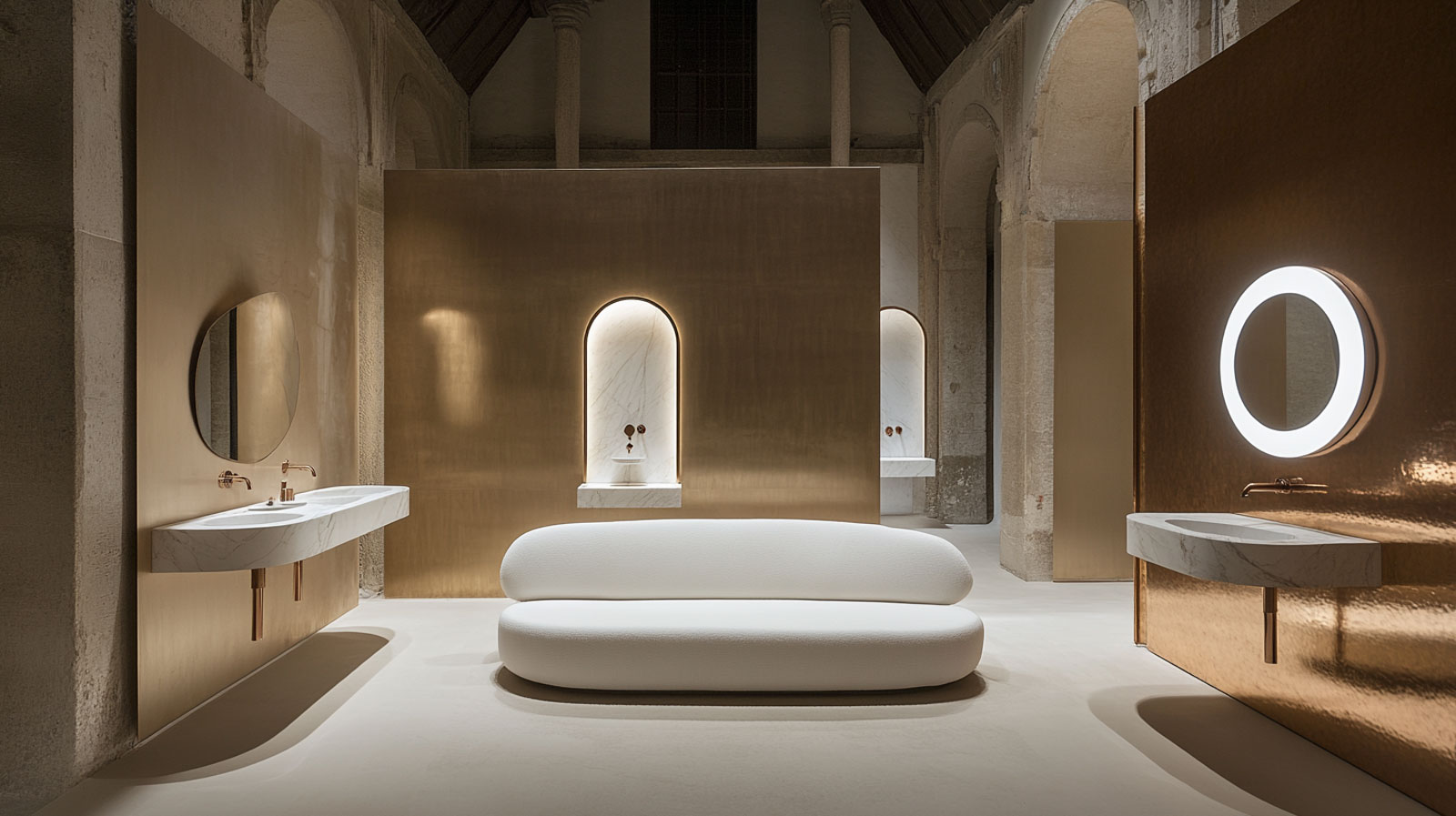
Bathroom
Light meets surface – precision in every reflection.
CGI and AI systems open new ways to master this complexity: adaptive light simulations, learning-based reflection models, and intelligent shaders that dynamically adjust material reactions. Yet one thing remains unchanged – digital mastery arises only when technology understands the language of space. The perfect bathroom in CGI is not only precisely modeled but also felt composed.
Living room
Living virtually – see, feel, experience rooms
Living room
Written by
CEO / P8 Media GmbH
CGI and AI are increasingly merging in the fields of art and photography, opening one of the most exciting chapters of visual culture. We are using new technological possibilities to create realities beyond the ordinary: images that exist between reality, simulation, and imagination. This development is changing not only our aesthetic perception but also our understanding of creativity itself.
Looking into the Future
In the coming years, AI-supported CGI tools will operate in real-time – virtual spaces will emerge as light, materials, and composition dynamically adapt, and AI will seamlessly merge style and expression.
The boundaries between photo, render, and AI-generated images are dissolving. The focus is no longer on the technique, but on the idea: it is not the How, but the What that an image conveys that will matter.
Ethical Questions & Authenticity
With the merging of reality and simulation, the debate around authenticity grows.
What is still "photography" when no light touches the lens?
How do we label AI-generated art without diminishing its artistic quality?
These questions are increasingly becoming part of the discussion around aesthetics, truth, and perception – themes that have always accompanied art.
CGI as a Stage for AI Aesthetics
Textures are generated and adjusted automatically,
Lighting scenarios can be trained on style references
Faces, bodies, or objects can be synthetically modeled and still appear emotionally charged.
In photography, this leads to a new visual vocabulary – between hyperrealism, digital surrealism, and documentary deception.
AI as a Creative Partner, Not a Replacement
The crucial change lies in seeing AI less as a replacement for creativity and more as a tool that opens new avenues.
It can learn styles, understand moods, and make suggestions – yet the artistic decision, the "Why" of an image, remains human.
More articles
KI-Bildgenerierung für Gartenmöbel
Wie künstliche Intelligenz realistische Outdoor-Szenen für Möbel erzeugt – unabhängig von Wetter, Location und Produktionsaufwand.
KI-Bildgenerierung für Möbel und Wohnräume
Wie künstliche Intelligenz aus Möbel-Freistellern realistische Interior-Szenen erzeugt – effizient, skalierbar und visuell auf höchstem Niveau.
Veränderung durch Künstliche Intelligenz
Wie KI die 3D-Innenraumvisualisierung im modernen Design transformiert
3D-Visualisierung verkauft Immobilien schneller
Wie 3D-Visualisierungsdienste Architekten und Immobilienentwicklern helfen, Projekte schneller zu verkaufen
Bathroom
Light meets surface – precision in every reflection.
Living room
Living virtually – see, feel, experience rooms
Living room
Written by
CEO / P8 Media GmbH
CGI and AI are increasingly merging in the fields of art and photography, opening one of the most exciting chapters of visual culture. We are using new technological possibilities to create realities beyond the ordinary: images that exist between reality, simulation, and imagination. This development is changing not only our aesthetic perception but also our understanding of creativity itself.
Looking into the Future
In the coming years, AI-supported CGI tools will operate in real-time – virtual spaces will emerge as light, materials, and composition dynamically adapt, and AI will seamlessly merge style and expression.
The boundaries between photo, render, and AI-generated images are dissolving. The focus is no longer on the technique, but on the idea: it is not the How, but the What that an image conveys that will matter.
Ethical Questions & Authenticity
With the merging of reality and simulation, the debate around authenticity grows.
What is still "photography" when no light touches the lens?
How do we label AI-generated art without diminishing its artistic quality?
These questions are increasingly becoming part of the discussion around aesthetics, truth, and perception – themes that have always accompanied art.
CGI as a Stage for AI Aesthetics
Textures are generated and adjusted automatically,
Lighting scenarios can be trained on style references
Faces, bodies, or objects can be synthetically modeled and still appear emotionally charged.
In photography, this leads to a new visual vocabulary – between hyperrealism, digital surrealism, and documentary deception.
AI as a Creative Partner, Not a Replacement
The crucial change lies in seeing AI less as a replacement for creativity and more as a tool that opens new avenues.
It can learn styles, understand moods, and make suggestions – yet the artistic decision, the "Why" of an image, remains human.
More articles
KI-Bildgenerierung für Gartenmöbel
Wie künstliche Intelligenz realistische Outdoor-Szenen für Möbel erzeugt – unabhängig von Wetter, Location und Produktionsaufwand.
KI-Bildgenerierung für Möbel und Wohnräume
Wie künstliche Intelligenz aus Möbel-Freistellern realistische Interior-Szenen erzeugt – effizient, skalierbar und visuell auf höchstem Niveau.
Veränderung durch Künstliche Intelligenz
Wie KI die 3D-Innenraumvisualisierung im modernen Design transformiert
3D-Visualisierung verkauft Immobilien schneller
Wie 3D-Visualisierungsdienste Architekten und Immobilienentwicklern helfen, Projekte schneller zu verkaufen
Bathroom
Light meets surface – precision in every reflection.
We stage your products for the right target audience.
Start your project today – with personalized expert consulting.

We stage your products for the right target audience.
Start your project today – with personalized expert consulting.
We stage your products for the right target audience.
Start your project today – with personalized expert consulting.